
Where do loofahs come from?
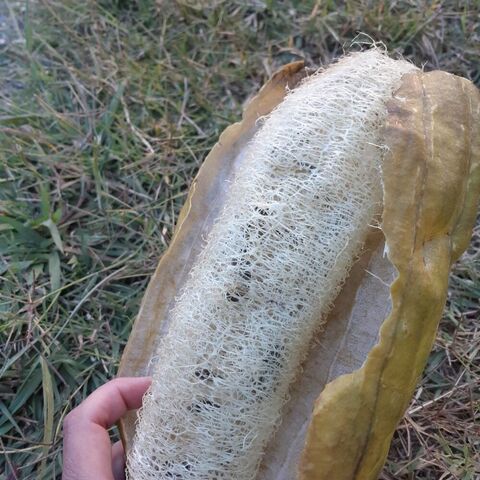
The Life Cycle Of A Loofah Sponge
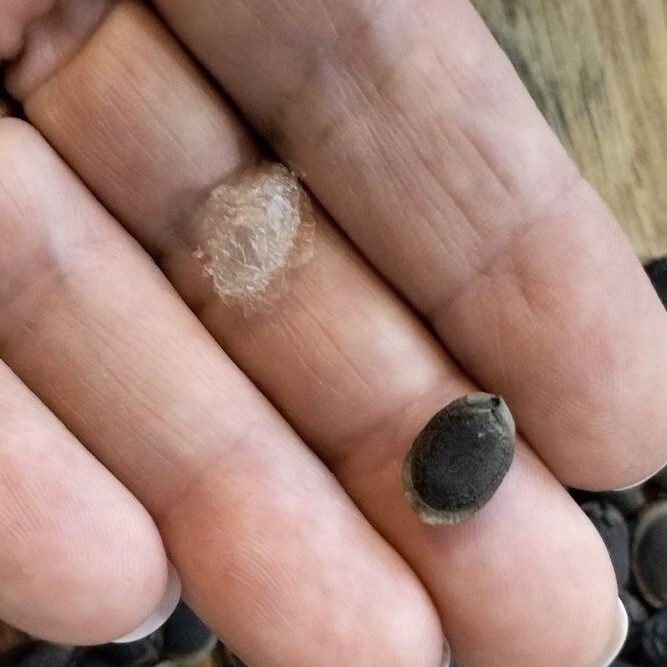
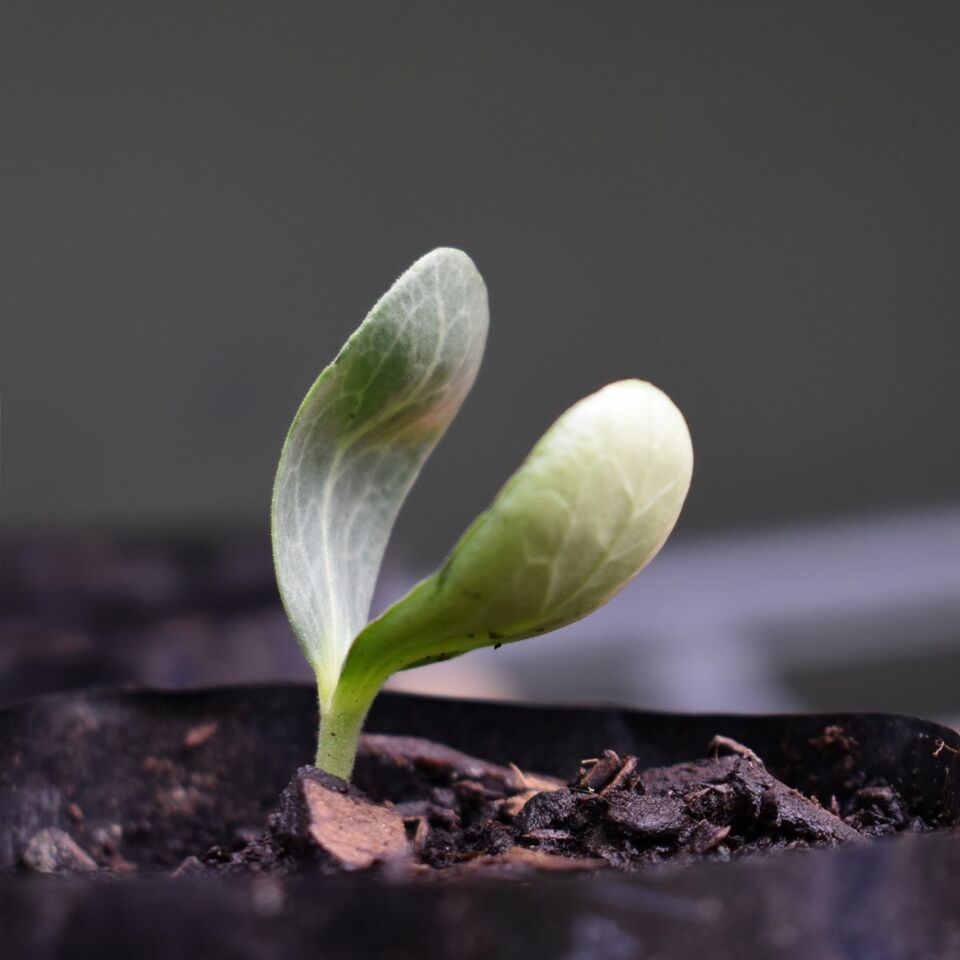

From seed to beautiful luffa flowers, with bees abundant as they hurriedly go about their pollen collection. There's nothing quite like hanging out with the birds and the bees in the garden.


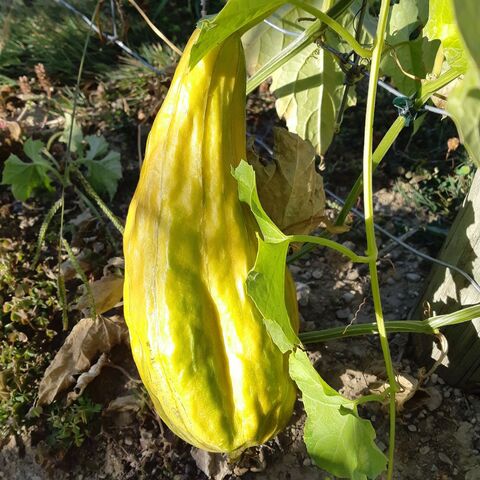
From baby luffa (which are a great for stirfry's at this size) to a heavy vegetable that looks similar to a marrow (they're from the same family). The green luffa are large and heavy, weighing a good few lbs at this stage (about 2kg). At the end of the season the plant starts to take all the moisture back out of the luffa and lighten up in weight and color.
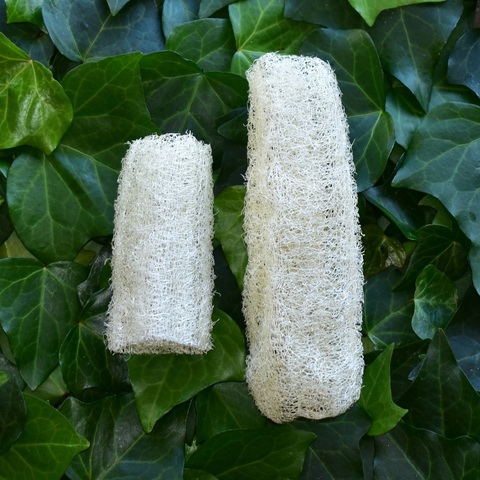
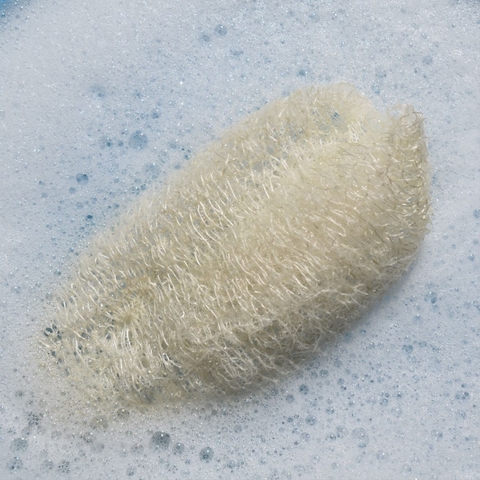
This is the fun part...once the loofah is dry enough to harvest, we'll pick and crack open the skin to reveal the intricately weaved fibers that make up the loofah. We collect as many seeds as possible and then the loofah gets soaked and cleaned to remove any fruit pulp and seed skins. Now it's ready to be used as a bath & shower sponge.


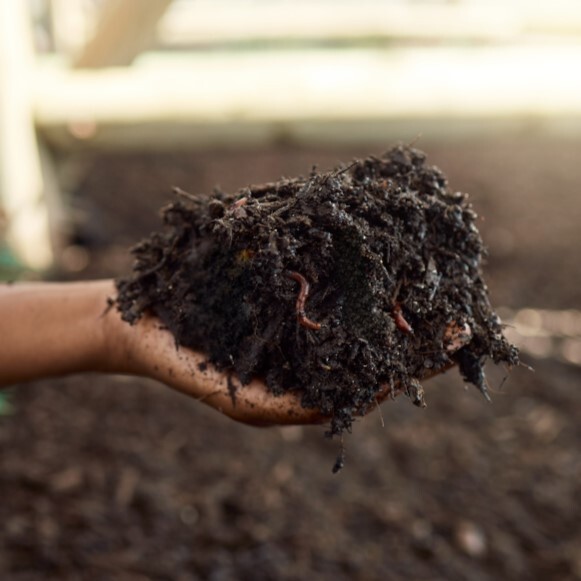
Once the loofah starts to degrade or mold (our variety are super soft and last around 3-6 months), we'll throw it in the compost or worm bin. The worms love loofah, it's a great source of food and they seem to love hanging out in cavity spaces loofah provides. New nutrient rich soil is created and we can use this for planting luffa seeds next season. All of our vines and luffa skins go into the compost bins.