
What Are Loofahs Made Of?
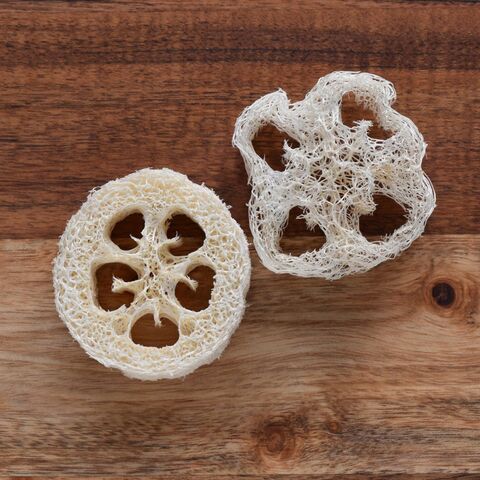
The term 'Loofah' is used generically for a body scrub and there are many different types of loofahs, some are made from natural materials and some are synthetic, each is made from different materials. In this article we discuss what a natural loofah sponge is made of.
What Is Loofah Made Of?
A natural loofah is made up of plant fibers and is technically not a sponge. It comes from the Luffa plant and is in the same family as the marrow and cucumber (Cucurbitaceae). Because it's a type of gourd, at the end of the season all the fruit pulp dries up leaving the fibers behind. Many people think that a natural loofah comes from ocean like the sea sponge but they are grown on land and are the most sustainable and versatile of all the loofahs.
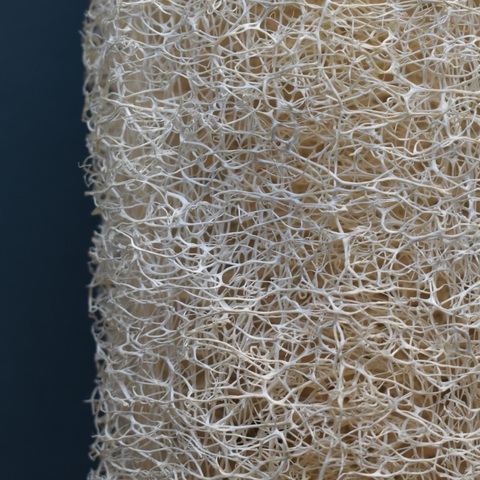
What are the loofah fibers made from?
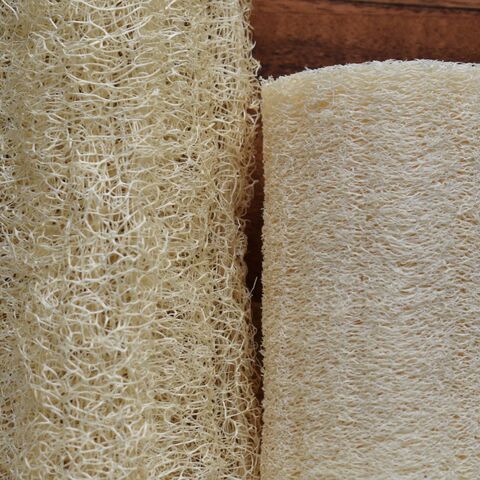
The fibers are the dried xylem vessels (cellulose tubes) - most plants have xylem and phloem vessels that move water, minerals and nutrients around the plant and the amazing luffa plant dries up all the pulp and phloem tissue in the vegetable and leaves the xylem tissue behind. These beautiful intricately weaved wooden type tubes are what make up the loofah fibers. They puff up and soften when wet and then harden back up as they dry. Different varieties give a different denseness to the overall loofah, making some of them with a tight weave and thick denseness feel like a washcloth and others that have a looser weave feel softer and sponge like.
Other kinds of Loofah
The Plastic Bath Loofah (aka pouf) - made of plastic and most contain 11.5ft (3.5m) of plastic netting
The Sea Sponge - an animal that comes from the ocean.
The Foam Bath Sponge type loofah - made from synthetic, petroleum-derived plastic
The Cellulose type natural sponges - usually made from wood pulp and processed with synthetic binders
The Cotton Loofah - made with cotton fabric
The Konjac Sponge - made from the root of the Konjac plant. Good quality and traditional Konjac sponges are made with a natural alkaline agent