
How Long Does a Natural Loofah Last?
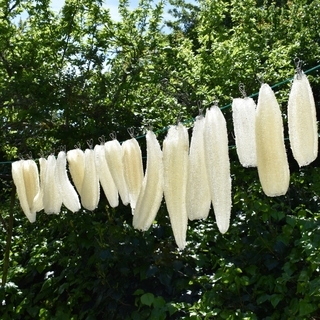
How Long Does a Natural Loofah Last? Loofah Care Tips
Wondering how long a natural loofah lasts? Find essential tips for maintaining your loofah's freshness in this handy guide!
Understanding Natural Loofahs: What They Are and How They Work
Natural loofahs are fascinating and are such useful tools around the home they have been used for centuries for various purposes, primarily for personal hygiene and skincare. Unlike synthetic sponges, natural loofahs come from the fibrous skeleton of the mature fruit of the Luffa plant, which belongs to the same family as the cucumber. The process involves allowing them to mature and dry on the vine and then harvesting the gourds when only the fibrous skeleton remains. This complex structure is what gives the loofah its unique texture and exfoliating properties.
When used in the shower or bath, a natural loofah gently scrubs away dead skin cells, dirt, and oils, leaving your skin feeling refreshed and rejuvenated. The slightly rough texture of the loofah makes it an excellent tool for boosting circulation and promoting healthy, glowing skin. The intricate loofah fibers allow them to create a rich lather when used with soap or body wash, making for a beautiful bathing experience.
Aside from their use in personal care, natural loofahs are useful in household cleaning and even in gardening. They are biodegradable and environmentally friendly, making them a popular choice among those seeking sustainable alternatives to synthetic products. With proper care and maintenance, a natural loofah can be a valuable addition to your daily routine, offering both practical benefits and a touch of natural luxury.
The Lifespan of a Natural Loofah: What to Expect
The lifespan of a natural loofah can vary depending on several factors, including frequency of use, care, and overall quality. On average, a well-maintained natural loofah can last anywhere from three to six months. However, with meticulous care and regular cleaning, some loofahs can last even longer. Understanding the expected lifespan of your loofah can help you maximize its use and ensure optimal hygiene.
One key factor that influences the life of a natural loofah is how often it is used. Daily use can naturally lead to quicker wear and tear, as the fibers break down over time. On the other hand, if you use your loofah less frequently, it is likely to last longer (it is recommended to only exfoliate two to three times a week, to allow the skin cells to regenerate in between exfoliations). Regardless of usage frequency, it's important to monitor your loofah for signs of degradation, such as fraying fibers, discoloration, or an unpleasant odor.
Another important consideration is the quality of the loofah. Higher-quality loofahs, which are typically thicker and more robust, tend to last longer than their thinner counterparts. Investing in a premium loofah can be worthwhile if you aim to extend its lifespan. By understanding these factors, you can set realistic expectations for how long your natural loofah will last and take steps to prolong its usability.
Factors Affecting the Life of Your Loofah
There are several factors that can shorten or extend the life of your natural loofah, and being aware of these can help you take better care of it. The first is moisture. Loofahs that are not allowed to dry completely between uses are more prone to developing mold and mildew, which can significantly shorten their lifespan. Making sure your loofah dries thoroughly in between uses is crucial for keeping your loofah in good condition.
Another factor is the type of soap or body wash you use with your loofah. Harsh chemicals and detergents can weaken the fibers, causing them to deteriorate more quickly. Opting for gentle, natural products can help preserve the structure of your loofah and extend its usability. Additionally, avoid using your loofah on areas of the body with open wounds or infections, as this can introduce bacteria and accelerate decay.
Finally, the bathroom/shower environment is typically humid, which can promote the growth of bacteria and mold. Storing your loofah in a well-ventilated area, away from excess moisture, can help keep it in good condition. With just a little extra care, you can extend the lifespan of your natural loofah and enjoy its benefits for a longer period.
Signs Your Loofah Needs to Be Replaced
Recognizing the signs that your natural loofah needs to be replaced is essential for maintaining good hygiene and ensuring you get the most out of your exfoliation routine. One of the most obvious signs is a change in appearance. If your loofah starts to look discolored, with dark spots or patches, it's likely harboring mold or bacteria and should be replaced immediately.
Another indication that your loofah is past its prime is a change in texture. Over time, the fibers can become excessively soft or start to fray, reducing the loofah's effectiveness in exfoliating your skin. If you notice that your loofah isn't providing the same level of scrubbing power as it used to, it's time to get a new one. Additionally, if the loofah begins to emit an unpleasant odor, this is a clear sign that it has accumulated bacteria and should be discarded.
Paying attention to these signs can help you maintain a healthy skincare routine and prevent potential skin issues. Regularly inspecting your loofah and replacing it when necessary ensures that you're always using a clean, effective tool for your personal care needs. By doing so, you can continue to enjoy the benefits of a natural loofah without compromising on hygiene.
Proper Care and Maintenance for Extended Use
Proper care and maintenance are crucial for extending the life of your natural loofah. One of the most important steps is to rinse your loofah thoroughly after each use. This helps remove soap residue, dead skin cells, and other debris that can accumulate within the fibers. By rinsing your loofah well, you can prevent buildup and reduce the risk of bacterial growth.
In addition to rinsing, it's essential to allow your loofah to dry completely between uses. Squeeze out excess water and hang it in a well-ventilated area where it can air dry. Avoid leaving your loofah in the shower or bathtub, as the humid environment can promote mold and mildew growth. If possible, place your loofah in direct sunlight occasionally to help kill any lingering bacteria.
Regular cleaning is another key aspect of loofah maintenance. Once a week, soak your loofah in a solution of water and vinegar or water and baking soda to disinfect it. Alternatively, you can place your loofah in the washing machine on a gentle cycle. By incorporating these care practices into your routine, you can significantly extend the life of your natural loofah and ensure it remains a safe and effective tool for your skincare regimen.
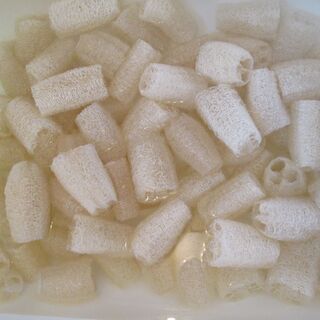
How to Clean Your Natural Loofah Effectively
Cleaning your natural loofah properly is important for keeping the loofah hygienic for the skin and for prolonging its lifespan. If you use, rinse and allow to dry correctly you shouldn’t need to do any additional cleaning but here are some additional cleaning options:
One of the simplest and most effective methods is to soak the loofah in a vinegar solution. Mix equal parts water and white vinegar in a bowl, and submerge the loofah for about 30 minutes. Vinegar is a natural disinfectant that can help kill bacteria and mold without damaging the loofah fibers.
Another effective cleaning method involves using baking soda. Create a solution by dissolving two tablespoons of baking soda in a quart of warm water. Soak the loofah in this mixture for 30 minutes to an hour. Baking soda not only disinfects but also helps remove any lingering odors. After soaking, rinse the loofah thoroughly to remove any residue.
If you prefer a more convenient option, you can clean your loofah in the washing machine. I have one customer who does this regularly, they do wear a little quicker but it is the easiest option. Place the loofah in a mesh laundry bag to protect it during the wash cycle. Use a gentle cycle with mild detergent and avoid using bleach or fabric softeners, as these can damage the fibers. After washing, allow the loofah to air dry completely before using it again (you can peg it out on the washing line). By regularly cleaning your loofah using these methods, you can keep it fresh and hygienic for an extended period.
Storage Tips to Maximize the Life of Your Loofah
Proper storage is crucial for maximizing the life of your natural loofah. One of the best ways to store your loofah is to hang it in a well-ventilated area where it can dry completely between uses. Using a hook or a shower caddy that allows for good air circulation can help prevent moisture buildup, which can lead to mold and mildew growth.
Avoid storing your loofah in a damp or enclosed space, such as a shower caddy with no drainage or a closed cabinet. These environments can trap moisture and create a breeding ground for bacteria. Instead, opt for a storage solution that promotes airflow, such as a wire rack or an open shelf. If you have a window in your bathroom, placing the loofah near it can help speed up the drying process. One tip is not to just place on the loofah on the window sill to dry as it will blow away, I have had many customers who have lost their little face loofahs this way.
Conclusion: Enjoying a Long-Lasting Natural Loofah Experience
The lifespan of a natural loofah can vary, but with proper care and maintenance, you can extend its usability and enjoy its benefits for months.
Factors such as moisture, soap choice, and storage environment can all impact how long your loofah will last. With a little care you can keep your loofah in optimal condition.
When it’s time to replace, you just pop the old one in the compost bin or bury it in your garden, it will fully breakdown and the worms love them.