
A Quick Guide To Growing Botanicals For Tea
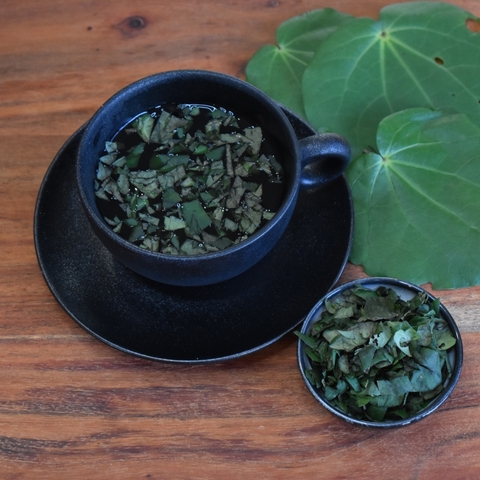
There’s nothing quite like sipping a cup of tea made from homegrown botanicals. Whether you’re looking for calming chamomile, invigorating peppermint, or floral lavender, growing your own tea herbs ensures freshness, purity, and a deeper connection to nature. In this ultimate guide, we’ll cover everything you need to know about cultivating, harvesting, and drying botanicals for the perfect homemade tea. Why Grow Your Own Tea Botanicals?
- Purity & Freshness: No pesticides or additives—just fresh, organic herbs.
- Cost-Effective: Save money by growing your own instead of purchasing expensive herbal blends.
- Sustainability: Reduce packaging waste and lower your carbon footprint.
- Customization: Blend your own unique flavors and benefits.
Best Herbs & Flowers to Grow for Tea
Calming & Soothing
- Chamomile: Light, floral, and excellent for relaxation.
- Lemon Balm: A gentle citrusy herb known for reducing stress and aiding sleep.
- Lavender: A fragrant flower that pairs well with chamomile and mint for a relaxing brew.
Energizing & Uplifting
- Peppermint: Refreshing and great for digestion and mental clarity.
- Lemon Verbena: Citrusy, uplifting, and a wonderful immune booster.
- Rosemary: A stimulating herb that enhances focus and memory.
Floral & Aromatic
- Rose Petals: Adds a delicate floral note and is packed with antioxidants.
- Hibiscus: Tart and vibrant, full of vitamin C.
- Jasmine: Fragrant and commonly mixed with green tea for a floral twist.
Herbal Remedies
- Echinacea: Boosts immunity and helps fight colds.
- Nettle: Rich in vitamins and minerals, great for overall health.
- Fennel: A sweet, licorice-flavored herb known for aiding digestion.
- Dandelion leaf: Best known for its diuretic and kidney-supporting properties
How to Grow Tea Botanicals
1. Choosing the Right Location
- Most tea herbs thrive in full sun (at least 6 hours of sunlight daily).
- Well-drained, nutrient-rich soil is key to healthy growth.
- Consider container gardening if space is limited.
2. Planting Your Herbs
- From Seeds: Start indoors 6-8 weeks before the last frost or sow directly in the garden after frost danger passes.
- From Cuttings: Some herbs (like mint and rosemary) grow well from stem cuttings placed in water until roots develop.
- From Transplants: Buy young plants for a faster harvest.
3. Watering & Care
- Water consistently but avoid overwatering—herbs hate soggy roots.
- Prune regularly to encourage bushier growth and prevent legginess.
- Use organic mulch to retain moisture and suppress weeds.
Harvesting & Drying Tea Herbs
1. When to Harvest
- Harvest in the morning when essential oils are most concentrated.
- Pick leaves and flowers just before they reach full bloom for the best flavor and potency.
2. Drying Methods
- Air Drying: Tie small bunches upside down in a dark, well-ventilated space. Or you can lay on trays with a paper towel and place out of direct sunlight, turning over every day until they are dry.
- Dehydrator: Use a low-temperature setting to dry herbs quickly.
- Oven Drying: Set your oven to the lowest temperature and dry herbs with the door slightly open.
3. Storing Your Dried Botanicals
- Store in airtight containers away from heat and light.
- Label jars with the herb name and harvest date.
- Use within 6-12 months for the best flavor and benefits.
Blending Your Own Tea
Mix different botanicals to create unique flavors and health benefits. Some ideas:
- Relaxation Blend: Chamomile + lavender + lemon balm
- Digestive Soother: Peppermint + fennel + ginger
- Immunity Booster: Echinacea + hibiscus + rosehips
Final Thoughts
Growing your own botanicals for tea is a rewarding and sustainable practice that enhances both your garden and your daily routine. With a little planning and care, you can enjoy fresh, homegrown herbal teas year-round.
Are you ready to start your tea garden? Let us know which herbs you’re excited to grow!
Pictured: Fresh Kawakawa tea